
Why it matters:
New Orleans is a city full of opportunity, and ensuring its continued growth requires smart, well-informed decisions. The Bureau of Governmental Research (BGR) plays a key role in helping our city thrive by analyzing how tax dollars are spent and how policies shape our communities. Since 1932, this independent nonprofit has been providing research-driven insights to improve infrastructure, public services, and government accountability.
Driving the news:
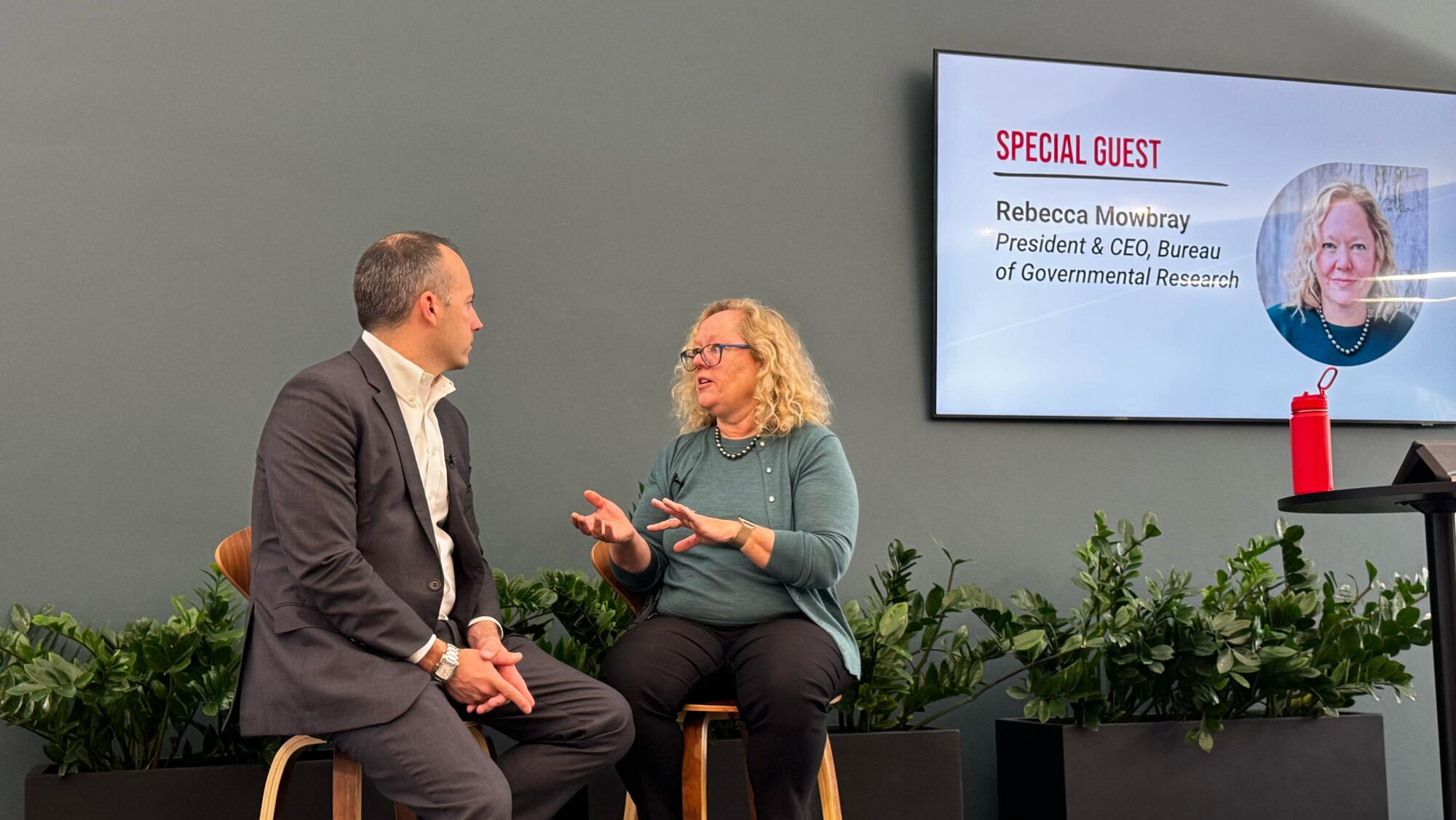
KW New Orleans recently hosted an engaging conversation with Rebecca Mowbray, President & CEO of BGR, to discuss the organization’s mission, impact, and latest research. Mowbray’s insights highlight how informed policy can help drive progress and create a stronger future for our city.
The backstory:
BGR was founded during the Huey Long era as a response to concerns over corruption and inefficiency in local government. Unlike most cities, which lack a similar research-driven entity, BGR has remained steadfast in its role of providing unbiased, well-researched recommendations to improve government transparency, accountability, and effectiveness.
“We want anyone who reads our work to know that we are only speaking from our research conclusions. That’s why we fiercely protect our independence,” Mowbray explained. BGR does not accept government or political funding, relying instead on private donations and memberships to maintain objectivity.
The big picture:
One of BGR’s biggest wins in recent years was its role in uncovering the “lost penny” tax, a forgotten tourism tax that was supposed to fund the Superdome but was never reinstated. After BGR’s report on the issue, the tax was reactivated and redirected toward key infrastructure improvements that benefit both residents and visitors.
“We felt like this was a perfect example of how our research could directly impact public policy. Now, millions of dollars are being reinvested into roads, drainage, and essential services,” Mowbray said.
Between the lines:
BGR’s research doesn’t just identify problems; it offers solutions. Instead of reactionary policies, their work encourages long-term planning and smart governance that set New Orleans up for success.
Mowbray put it bluntly: “What we often see is elected officials treating symptoms instead of root causes. More regulation isn’t always the answer. Sometimes, it’s about structuring government offices in a way that actually sets them up for success.”
What’s next:
BGR is preparing to release new research on stormwater management fees, which could help fund drainage infrastructure in a fair and sustainable way. They are also launching a public discussion on how to attract more residents and businesses to Louisiana, focusing on opportunities to enhance economic growth, improve quality of life, and keep our city moving forward.
The bottom line:
New Orleans is a city of resilience and innovation. When leaders make data-driven decisions, our city flourishes. BGR’s work ensures that both policymakers and citizens have the facts they need to push for positive change. Whether it’s your property taxes, infrastructure, or housing policies, BGR is working behind the scenes to help New Orleans reach its full potential.
Want to stay informed? Sign up for BGR’s daily news roundup at bgr.org, where their team curates the most important civic news affecting our city.
KW New Orleans is committed to leading the conversation on real estate, policy, and the future of our city. If you’re an agent looking to work with a brokerage that values leadership and insight, let’s talk.
Stay tuned for more expert insights from KW New Orleans, where industry leaders share their knowledge to help you succeed in the dynamic world of real estate.