
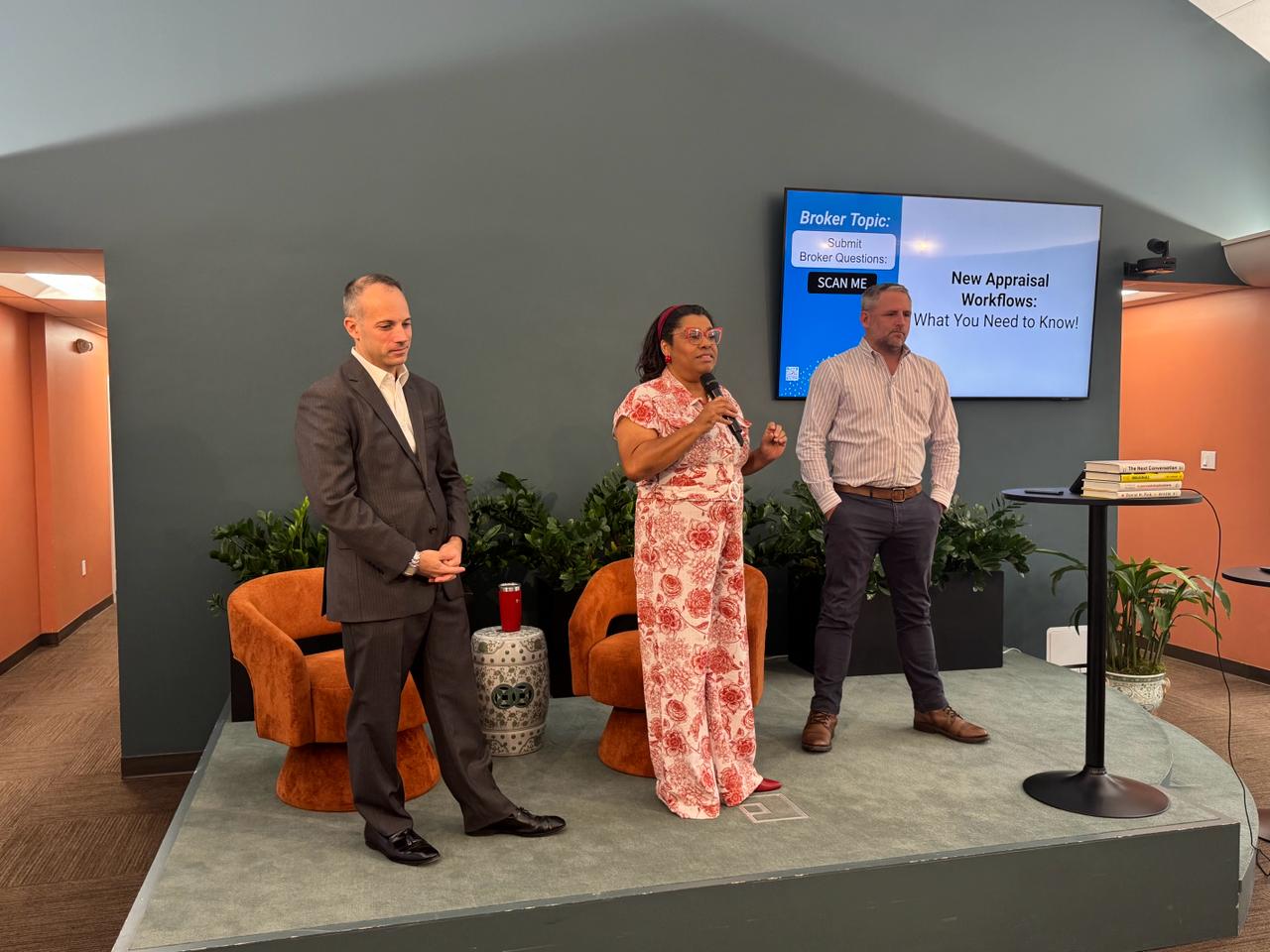
Nichole Donald, Co-Broker at KW New Orleans, on the sweeping changes coming to the appraisal process, and why the 30-day contract you’ve been quoting buyers may no longer be a safe promise to make.
Why It Matters
A quiet but significant overhaul is coming to the way homes get appraised in America, and most real estate professionals, including many at the industry association level, are only now beginning to understand its reach. The changes touch everything from how long an appraiser spends in a home, to which data fields appear in your MLS, to whether your standard contract timeline still holds water.
Nichole Donald, Co-Broker at KW New Orleans, attended an appraisal roundtable hosted by NOMAR specifically to get ahead of the changes, and brought back intelligence that every agent working deals in the Greater New Orleans market needs to hear before it hits.
The State of Play
The appraisal industry is undergoing its most significant structural change in decades. Driven by Fannie Mae and Freddie Mac, the shift moves appraisers from a paper-based workflow to a mandatory digital platform, with a November 2, 2026 compliance deadline. For agents, the ripple effects reach directly into contract timelines and daily transaction management.
Most realtors, including Nomar, really didn’t know the extent of the changes that are happening in the appraisal world.
Nichole Donald, Co-Broker, KW New Orleans
What This Means for Your Contracts
The practical impact agents will feel first is on closing timelines. The standard 30-day contract has long been a comfortable default in the New Orleans market, but with appraisers spending significantly more time per property and adapting to a new platform, that window is expected to stretch. Donald’s advice: stop quoting hard timelines to buyers and sellers until the market adjusts and actual data emerges.
The old habit of ordering an appraisal five days before closing is, simply put, no longer viable. Donald recommends treating appraisal ordering with the same urgency as the inspection period, ideally placing the order within a day of inspection completion. Lenders are expected to begin implementing the new system 30 to 45 days ahead of the November 2 deadline, meaning the transition is already underway for deals closing in the fall.
The days of get order and appraisal five days before closing, or whatever, is not going to happen.
Nichole Donald, Co-Broker, KW New Orleans
A Harder Line for Listing Agents
Jeffrey Doussan took the operational implication one step further: this is a moment for listing agents to stop passively trusting that the buyer’s lender has ordered the appraisal. He argues that verification needs to become part of the standard listing agent workflow, not just a polite follow-up, but a documented confirmation directly from the lender.
His position is that a written confirmation (an email from the lender confirming the appraisal was ordered and the scheduled inspection date) should become a non-negotiable step. With appraisal delays now capable of adding two or more weeks to a transaction, listing agents who let this slide are absorbing risk on behalf of their sellers. The additional remarks section of the listing may be the right place to set expectations explicitly from the start.
I need to know that you ordered the appraisal, and I need to hear it from the bank… I want an email from them saying, yes, the appraisal was ordered. They’re going out this date, like that. It’s done.
Jeffrey Doussan, Operating Principal, KW New Orleans
What Doesn’t Change, And What Might
One point of relief from the roundtable: the longstanding practice of listing agents meeting appraisers with comparable sales and property documentation remains acceptable and, if anything, will be more valuable than before. With appraisers carrying a heavier data burden, a well-prepared comp package from the listing side reduces friction and supports a faster conclusion.
What remains an open question is cost. Appraisal pricing is set individually by each appraiser, and while the roundtable discussion didn’t yield a firm answer, the logic is straightforward: more time in the property, more data to enter, and a new platform to learn will put upward pressure on fees. Agents should be prepared to have that conversation with clients before a number is quoted in a buyer consultation.
Nichole Donald went to a roundtable so her agents wouldn’t be caught flat-footed, and what she found was that most of the industry is still in the dark. The Fannie Mae and Freddie Mac appraisal overhaul, effective November 2, 2026, will expand in-home inspection time from minutes to roughly an hour, add more than 100 new required data fields, and push the entire system onto a new digital platform, all while New Orleans agents are simultaneously migrating to a new MLS. The move: order appraisals immediately after inspection, get written confirmation from lenders, and stop promising buyers a 30-day close until the market shows you what the new normal actually looks like.
About this series. KW New Orleans hosts regular conversations with the leaders shaping our city: developers, architects, investors, and operators building the New Orleans of tomorrow. These are the conversations that happen in the rooms most people don’t get invited into. Read our latest: Why Human Connection Wins in the AI Era.
Be in the Room Where It Happens
KW New Orleans brings together the sharpest minds in real estate, development, and hospitality. If you’re ready to work alongside people building the city’s future, we’d love to talk.