
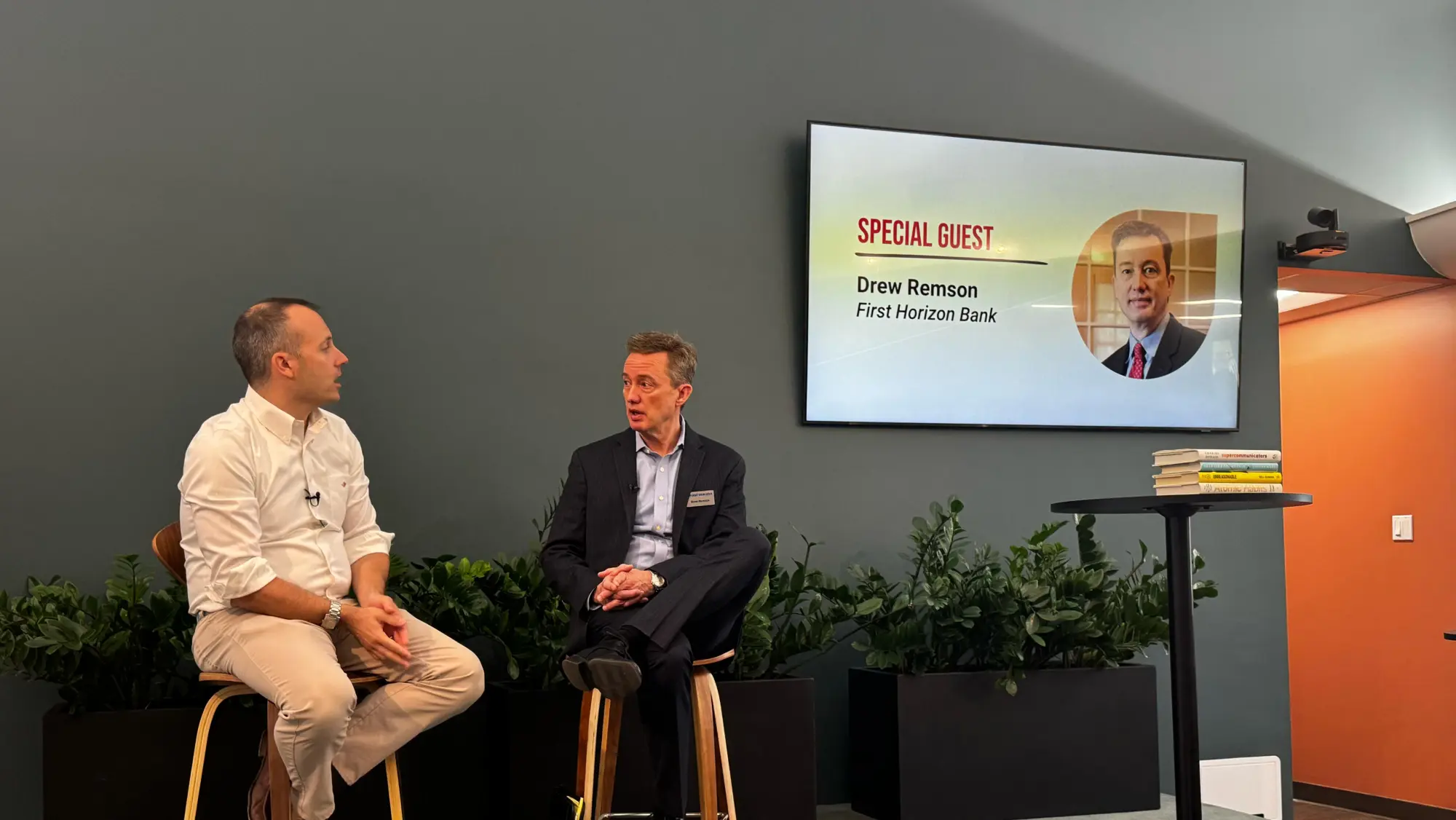
At KW New Orleans, we believe in learning from the best, and sometimes, that means bringing in those who’ve weathered storms, seen the shifts, and come out stronger. Recently, we welcomed Drew Remson, a respected name in the mortgage world, to speak with our agents about the realities of running a mortgage company for nearly 30 years, and why he decided to sell it to First Horizon Bank.
This wasn’t just a story about selling a business. It was about why the decision was necessary, and what it teaches us about navigating the ever-changing world of real estate and lending.
From Growth to Katrina to Pivot
Drew founded American Mortgage Resource in 1996, growing it into a multi-state operation with over 70 employees. But Katrina changed everything. All 11 of his offices flooded, and with over $300 million in unsold loans on the books, his company had to pivot from origination to servicing overnight, just to survive.
He rebuilt. But like many of us in the industry, Drew faced another round of disruption in the 2008 crash, when regulation increased and competition from unqualified brokers surged.
Sound familiar? Many boutique brokerages in real estate are feeling the same squeeze today.
The Tech Shift: Why He Sold
Fast forward to now. Drew’s biggest challenge wasn’t just compliance or market volatility; it was technology. Competing with national lenders and platforms like Zillow meant making massive tech investments that smaller companies simply can’t afford.
So he made a choice: Sell his company to First Horizon Bank and return to what he loves: working directly with clients and agents.
“I went from spending 80% of my time on admin and compliance to now spending 85% of my time helping clients. That’s the part I love.”
What’s Squeezing the Industry
Drew and Jeffrey drew striking parallels between the mortgage and real estate industries today:
- Shrinking margins are hitting small players the hardest.
- Technology investment is essential to businesses, but the cost is significant.
- Top producers are thriving, while mid-level players may be feeling the market shift.
- Client expectations for fast service and expert guidance have never been higher, but it’s important to note that we can never replace human interactions with AI.It’s no longer enough to just be present. You have to bring real value.
What Still Matters Most
Despite all the disruption, Drew emphasized the fundamentals that haven’t changed, especially in New Orleans:
1. Professionalism
Know your stuff. Be the expert your clients can’t Google their way around.
2. Expertise
Clients want answers that make sense for them. Translate complex ideas into simple, helpful advice.
3. Access
Be available. Sometimes, that means taking a call at 9 PM. Real estate moves fast, and the ones who respond win.
“Your value is in the way you make clients feel informed and supported, not just the info itself.”
Automation With a Human Touch
Drew’s business thrives on past clients, and he automates just enough to stay top-of-mind. Monthly newsletters, relevant email campaigns, personalized messages, and even handwritten notes are all part of his strategy.
But when it comes to new business? That’s where human connection wins every time.
Where the Opportunity Is Today
Drew pointed out a few groups worth focusing on in today’s market:
- First-time homebuyers, who need guidance and access to grant/financing programs
- High-income professionals (doctors, for example, who can benefit from special loan products)
- Buyers looking for properties that need work, where “instant equity” is still possible
Final Takeaway: Build Relationships, Not Just Pipelines
Drew’s biggest advice to agents: slow down and listen.
In a world full of automation and noise, real value comes from thoughtful, relationship-first service. Your clients don’t need more data; they need your perspective, your care, and your commitment.
At KW New Orleans
We’re proud to host conversations like these to help our agents grow smarter, stronger, and more connected to the communities we serve. In times of change, we double down on value, professionalism, and collaboration.
Because like Drew said, technology may change the game, but relationships still win it.