
Cody Caudill and Jeffrey Doussan on how to read New Orleans zoning before you commit, and why a single letter can make or break a deal.
Someone falls in love with a building. They picture a live music venue, a boutique hotel, a creative mixed-use concept. They come to their agent fired up. And the honest answer, the one that saves them months of wasted time and real money, is two words: go check.
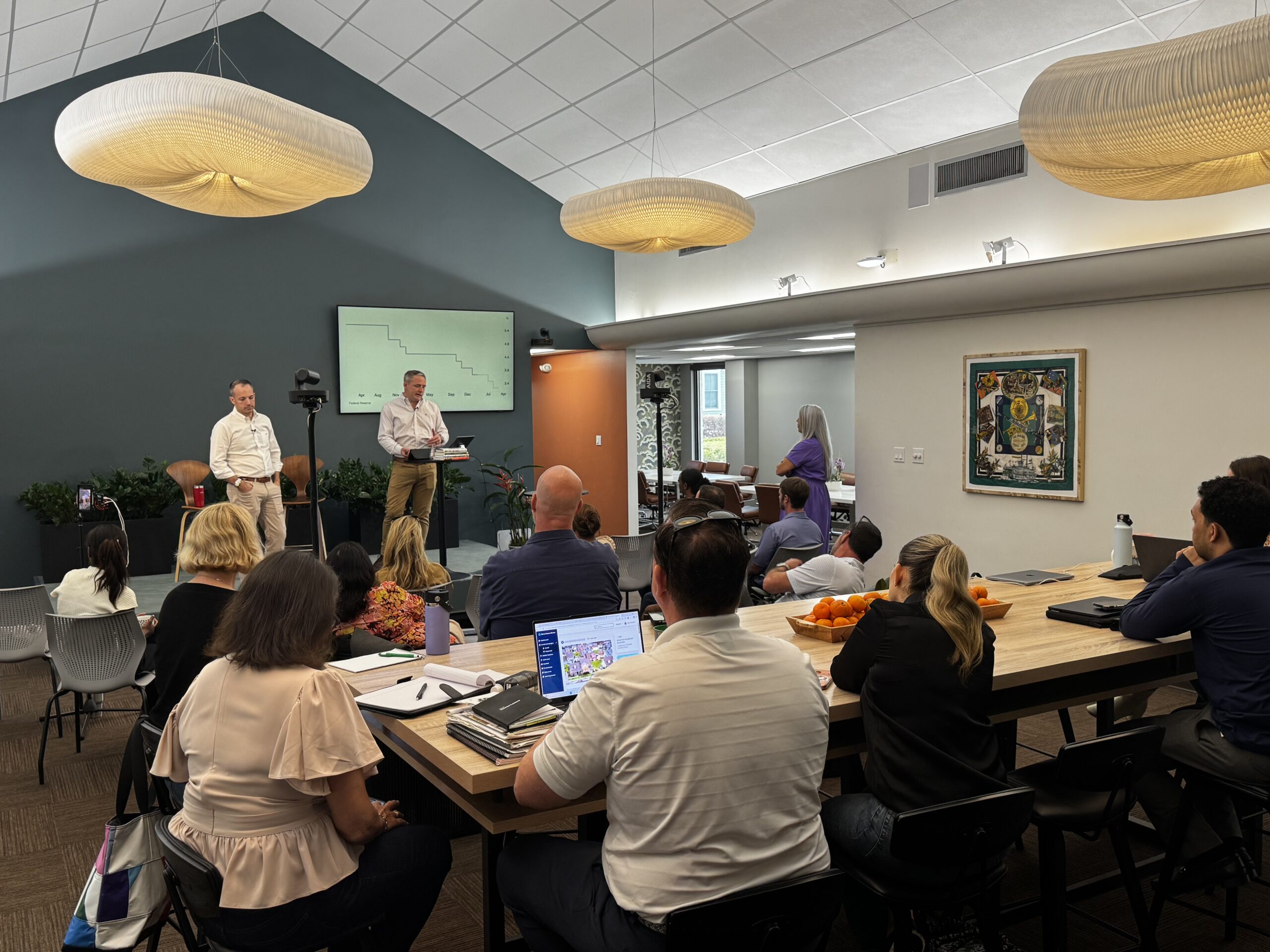
In a recent conversation at the KW New Orleans office, Team Leader Cody Caudill and Operating Principal Jeffrey Doussan walked through exactly how they approach that check: live, on a real property, using the tools any agent or buyer can access today. What emerged was a practical primer on one of the most misread aspects of New Orleans real estate: zoning.
New Orleans zoning is publicly accessible, but accessible doesn’t mean readable. The city aggregates property data from multiple sources in one place, and knowing how to navigate that system is the difference between a confident offer and an expensive mistake.
To an untrained eye, you will read this wrong, in my opinion.
Cody Caudill, Team Leader, KW New Orleans
The workflow Caudill and Doussan described isn’t complicated, but it requires knowing what you’re looking at and, more importantly, what you’re looking for.
Start at property.nola.gov, pull the assessor’s record, and look directly beneath it for the zoning designation. Click the zoning description link and it routes you into the CCO, the city’s comprehensive zoning ordinance, where the full list of uses for that zone lives. Scan for your intended use, find its designation, and note whether it’s a “P” or a “C.”
The municipal code layer matters too. Variances and conditional uses that have already been granted on a specific property will appear there, meaning a parcel might have permissions that go beyond or differ from its base zoning. That’s the kind of detail that can surface an opportunity or reveal a complication that no one mentioned at the listing presentation.
When something in the code doesn’t make sense (and it will), that’s the moment to make phone calls. The site is the research. The call is the confirmation.
If it’s p, that means permitted, and we can do it, you can buy it and get going. You’ve got it by right. If it’s C, I don’t know how much money you got. You want to waste time, time and money, and you still may not get it right.
Jeffrey Doussan, Operating Principal, KW New Orleans
The volume of conditional use designations in New Orleans zoning isn’t just a bureaucratic inconvenience; it’s a structural drag on development, investment, and the kind of adaptive reuse projects the city talks about wanting more of.
Caudill made a point that cuts to the heart of it: almost every zone in New Orleans carries some sort of commercial use option. The problem isn’t availability in theory; it’s that too many of those uses sit behind a conditional approval process that is slow, uncertain, and expensive to pursue. A buyer who wants to open a live music venue or convert a building to hotel use isn’t automatically blocked. They’re just sent into a process with no guaranteed outcome.
Both Caudill and Doussan named this as something they’re watching under the current mayoral administration, a specific policy pressure point where Mayor Marino’s team, and the city’s new zoning leadership, has a concrete opportunity to reduce friction for developers and property owners who are trying to do something productive with underutilized buildings.
It’s one of the things that we’re hoping gets fixed in this administration, less conditional uses.
MJ (guest), KW New Orleans conversation
The practical takeaway is simple: zoning research is not optional, and it is not something to do after an offer is accepted. It belongs at the front end of every commercial evaluation: before the conversation about price, before the showing, certainly before any client starts mentally designing their concept.
For agents, walking a client through property.nola.gov live, the way Caudill and Doussan demonstrated in this conversation, is one of the clearest ways to establish expertise and protect the people you’re working with. It turns an abstract concern into a specific answer, and it sets the right expectations before anyone falls in love with a vision the zoning code won’t support.
About this series. KW New Orleans hosts regular conversations with the leaders shaping our city: developers, architects, investors, and operators building the New Orleans of tomorrow. These are the conversations that happen in the rooms most people don’t get invited into.
Be in the Room Where It Happens
KW New Orleans brings together the sharpest minds in real estate, development, and hospitality. If you’re ready to work alongside people building the city’s future, we’d love to talk.