A Roller Coaster Economy: Where Are We Now?
Antonio Carbone opened his June session at KW New Orleans with refreshing honesty: “I don’t know,” he said, referring to the current state of the economy. But what followed was an insightful breakdown of the volatile landscape we’re all navigating, from interest rates to AI investments, and what it means for real estate professionals and their clients.
We’re in a time where everything feels “comfortably uncomfortable.” Although April saw a sharp market pullback, driven largely by fears around new tariff policies, the market has since stabilized. As Carbone emphasized, the U.S. stock market has not drastically overreacted to the instability, a signal that investors are finding footing even amidst uncertainty.
A Glimpse at 2024: What’s Driving Returns?
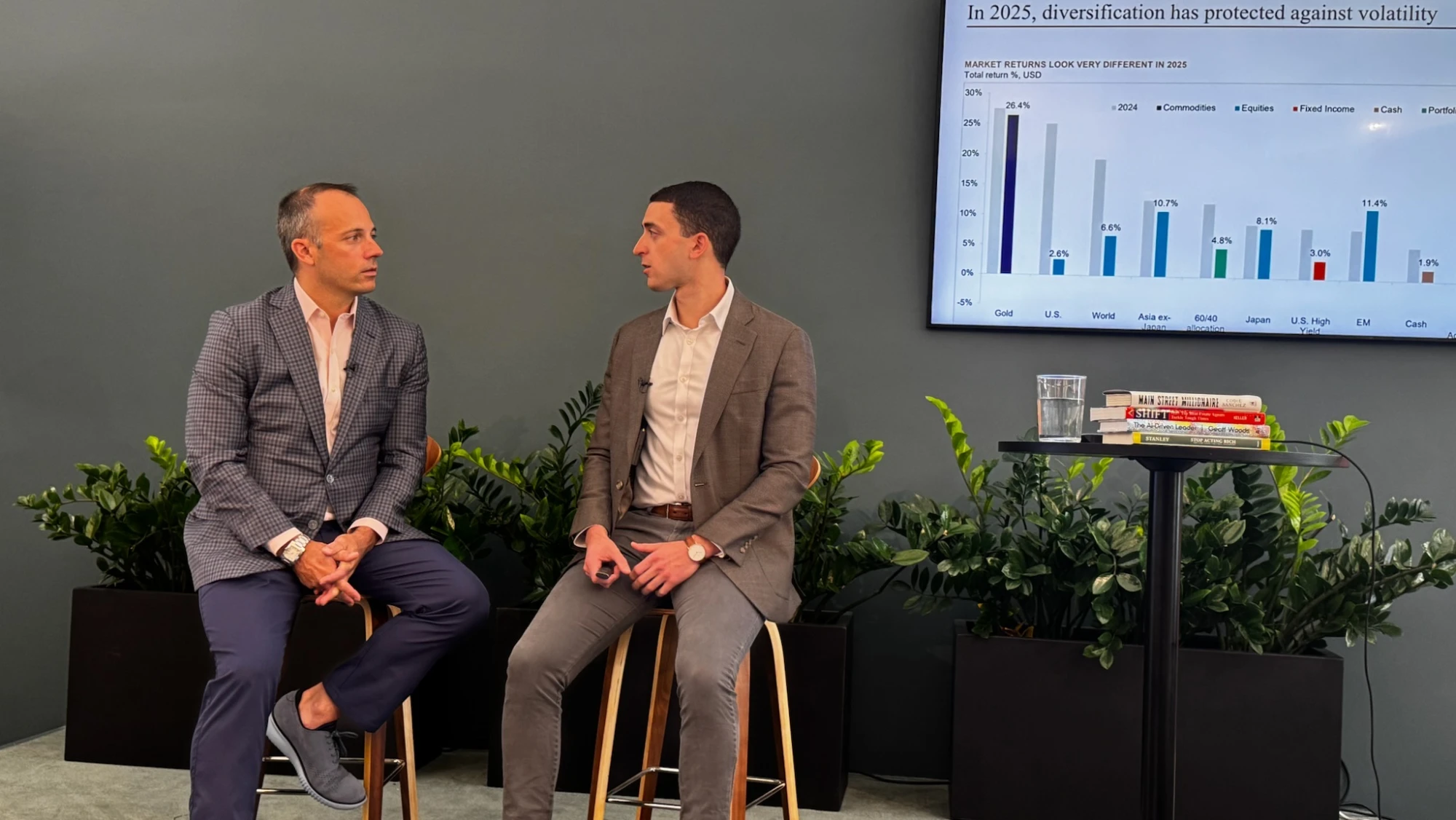
Carbone shared a snapshot comparing top-performing asset classes of 2024 to last year:
- Gold continues to lead the pack, signaling global investors are seeking safe-haven assets as a hedge against inflation and economic turbulence.
- International Equities (particularly Europe and emerging markets) are showing strength, up 7–20% year-to-date.
- Meanwhile, U.S. stocks are up modestly (~2%), and bonds are still recovering from 2022, the worst year for fixed income in four decades.
Why the Shift? Global and Domestic Trends at Play
Several major themes are reshaping the investment landscape:
1. Tariffs and Trade Policy
We’ve moved from low, manageable tariff levels to what could have become a 23% average tariff rate. That spike in April caused the sharpest drop in the market this year. Thankfully, the proposed tariff ceiling has moderated since, and with it, recession fears have cooled, from a peak 50% chance in April down to under 30% today.
2. The Dollar Is Declining, But Not Collapsing
Carbone described this as a “cyclical” downturn of the U.S. dollar, not a long-term crisis. As the dollar weakens, foreign investments, especially in Europe, are becoming more attractive, particularly for those earning dividends in stronger foreign currencies.
3. European Renaissance?
Europe is increasing investment in military, manufacturing, and technology sectors. Germany, historically debt-averse, passed a $500B military spending bill. That, combined with U.S. dollar weakness, makes European equities more appealing to global investors.
Inflation, the Fed, and Interest Rates: What Comes Next?
Tariffs Add Pressure
Tariffs, by their nature, are inflationary. They raise the cost of goods and weigh on economic output, an issue Carbone described as economic, not political. The Fed is watching these developments closely.
Rate Cuts May Come in Q4
The Federal Reserve may cut interest rates twice before year’s end. The base scenario? The first cut in October, followed by another by December. This could loosen the grip of high money market rates (4%+), which currently compete with real estate and equities for investment dollars.
Real Estate Reflections: Local and National
New Orleans Market Insights
Residential and commercial real estate in New Orleans is trading at low levels not seen in years. While new home sales are stable nationwide, existing home sales, particularly in markets like New Orleans, remain sluggish.
Carbone and KW New Orleans attendees observed that updated, well-renovated homes are selling quickly, while older, outdated homes lag. Why? Buyers fear construction costs and timeline unpredictability, especially when inflation has made materials and labor more expensive.
Creative Financing Trends
Adjustable-rate mortgages (ARMs) are seeing renewed interest, especially among higher-net-worth individuals. Many are also tapping into home equity through HELOCs to fund secondary or investment property purchases.
Where to Invest in 2025: Three Promising Areas
Carbone outlined three key investment themes for the remainder of the year:
1. Financial Sector
Pending deregulation may loosen capital reserve requirements for banks, freeing up capital for lending, share buybacks, and dividend increases. This could trigger bank mergers and boost financial stocks.
2. AI and Infrastructure
AI remains a strong investment theme, driving real economic impact across data centers, energy infrastructure, and job creation. The Meta data center in Monroe, Louisiana, is a local example, creating thousands of jobs and spurring investment in roads and clean energy.
3. Defense Spending
Geopolitical unrest is pushing countries, including U.S. allies in Europe, to increase defense budgets. This isn’t just about weapons; it includes cybersecurity, supply chains, and domestic manufacturing, representing long-term economic shifts.
What This Means for KW Agents and Investors
The message was clear: There’s no “easy” path ahead. But while markets may not skyrocket into Q4, there are still smart ways to position yourself and your clients.
- Real estate remains competitive with cash yields, especially if rates decline.
- Investment properties, especially those with updated features, may attract capital now that stocks have modest return expectations.
- Start prepping buyers now for an anticipated rate cut in Q4. October could be the next big opportunity.
Final Thoughts: The Economy Is a Chemical Mix
As Antonio Carbone summed up, we’re playing with “dangerous chemicals” (tariffs, immigration, inflation, AI, and interest rates) all at once. But if managed wisely, these could result in growth, innovation, and opportunities, not disaster.
Want to learn more about how this economic outlook affects your buyers, sellers, or personal investments? Reach out to your KW New Orleans broker or schedule a consult with a financial advisor.