
Why it matters:
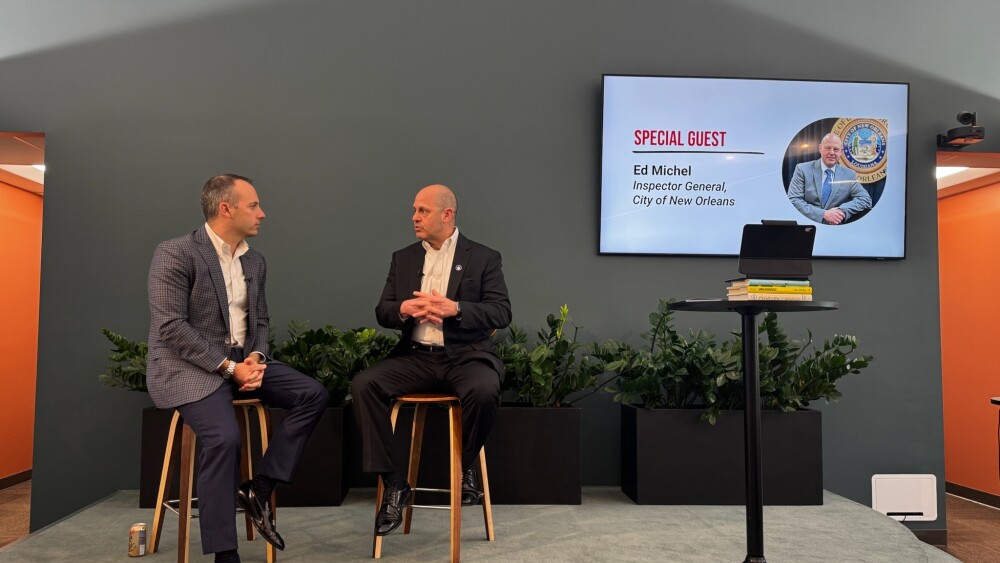
When it comes to government oversight, few people in New Orleans have a better view of what’s working, and what’s not, than Inspector General Ed Michel. With a background in the FBI and a mission to ensure city government operates with efficiency and integrity, Michel’s office plays a critical role in protecting taxpayer dollars. During a recent visit to KW New Orleans, he broke down his latest findings, major wins, and what still keeps him up at night.
The big picture:
In 2024, the Office of Inspector General (OIG) generated a 750% return on investment for the city. With a $3.2 million budget, the office helped recover or prevent over $27 million in losses. That included criminal indictments, payroll fraud investigations, and audits across departments, from the Sewerage and Water Board to emergency services.
Key Wins and Red Flags:
- $27M+ in cost savings and recovered funds
- 17 public reports
- Federal and state criminal indictments, including high-profile city officials
- Exposed wasteful spending and fraud at agencies including the Downtown Development District and Orleans Parish Communications District
One of the most eye-opening examples? $8,000 spent on hot chocolate and designer socks… using taxpayer funds.
Biggest challenges uncovered:
- Sewerage and Water Board: A 60–72% water loss rate, compared to the national average of 4–7%. That’s tens of millions of dollars going into the ground, literally.
- Fraudulent Parking Tags: 25 employees using deceased relatives’ handicap placards to avoid meter fees, costing the city $150,000 in lost revenue.
- Fuel Fraud: City vehicles reporting fuel usage that defied logic, including gas tank sizes that don’t exist in the fleet.
- Inadequate Permitting Oversight: The Safety & Permits office remains a major source of inefficiency. The OIG has embedded staff there to diagnose and fix deeper problems.
On the state of infrastructure:
Michel highlighted the city’s failure to spend $1.2 billion in federal funding meant for infrastructure repairs, a missed opportunity that could have paved roads and upgraded drainage citywide. While the city is now spending it down, delays and poor coordination have driven up costs due to inflation and lost time.
Looking ahead:
Michel said his team is focused not just on accountability, but on solutions. His next two reports will include step-by-step recommendations for improving permitting, financial oversight, and inter-agency communication. “We’re tired of just indicting and arresting. We want to fix it,” he said.
Citizens can help.
The OIG receives many of its most important leads from public tips. Michel encouraged residents to report suspicious activity via nolaig.gov, noting that even small pieces of information can complete the larger puzzle.
Why it matters for real estate agents:
Whether it’s delayed permits, potholes blocking listings, or crumbling infrastructure making neighborhoods harder to sell, inefficiency in city government has a direct impact on the housing market. Knowing what’s going on behind the scenes helps agents advocate for their clients and communities.
Michel’s bottom line:
“We’re not just watching government; we’re working to improve it. Because this isn’t just the city’s money. It’s our money.”